Public Safety

Blue Light Emergency Phones
Blue light phones provide a direct link to help. These stations are easily identifiable by their blue lights located throughout the campus.
- How to use: Press the emergency button to connect directly to a Clark County 911 dispatch operator.
- Response: A police officer responds to every call placed from a blue light phone.
- Preparation: Note the locations of these phones as you navigate campus to ensure you can find one quickly if needed.

Incident Reporting and Safety Documentation
To report an accident or injury, follow the appropriate protocol based on your status:
- Employees and Student Workers: Submit work-related incident reports through the Environmental Health and Safety website.
- Supervisors: Download and complete the Supervisor Accident Investigation Report and email it to van.ehs@wsu.edu.
- Students and Visitors: Report all campus accidents directly to Public Safety.
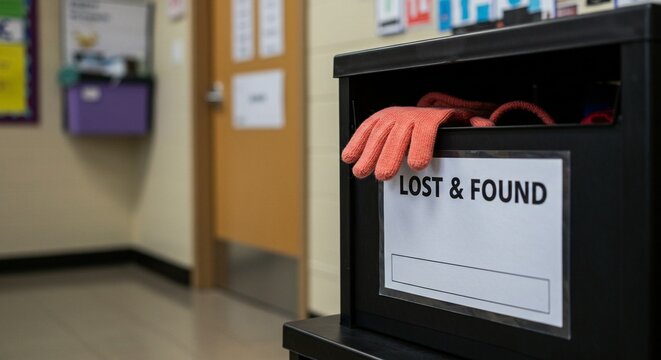
Lost and Found
The Public Safety office serves as the central repository for all property found on campus. Storage and returns are managed at the Parking Services office in the Physical Plant building.
- Claiming Items: Individuals must file a claim form and follow procedures consistent with state law (RCW 63.21.010).
- Reporting Found Property: If you find an item, email wsuvcops@wsu.edu or call 360-546-9002 to arrange a pickup.
- Lost Items: Contact Public Safety immediately to log a description of your lost property, which increases the likelihood of a successful return.
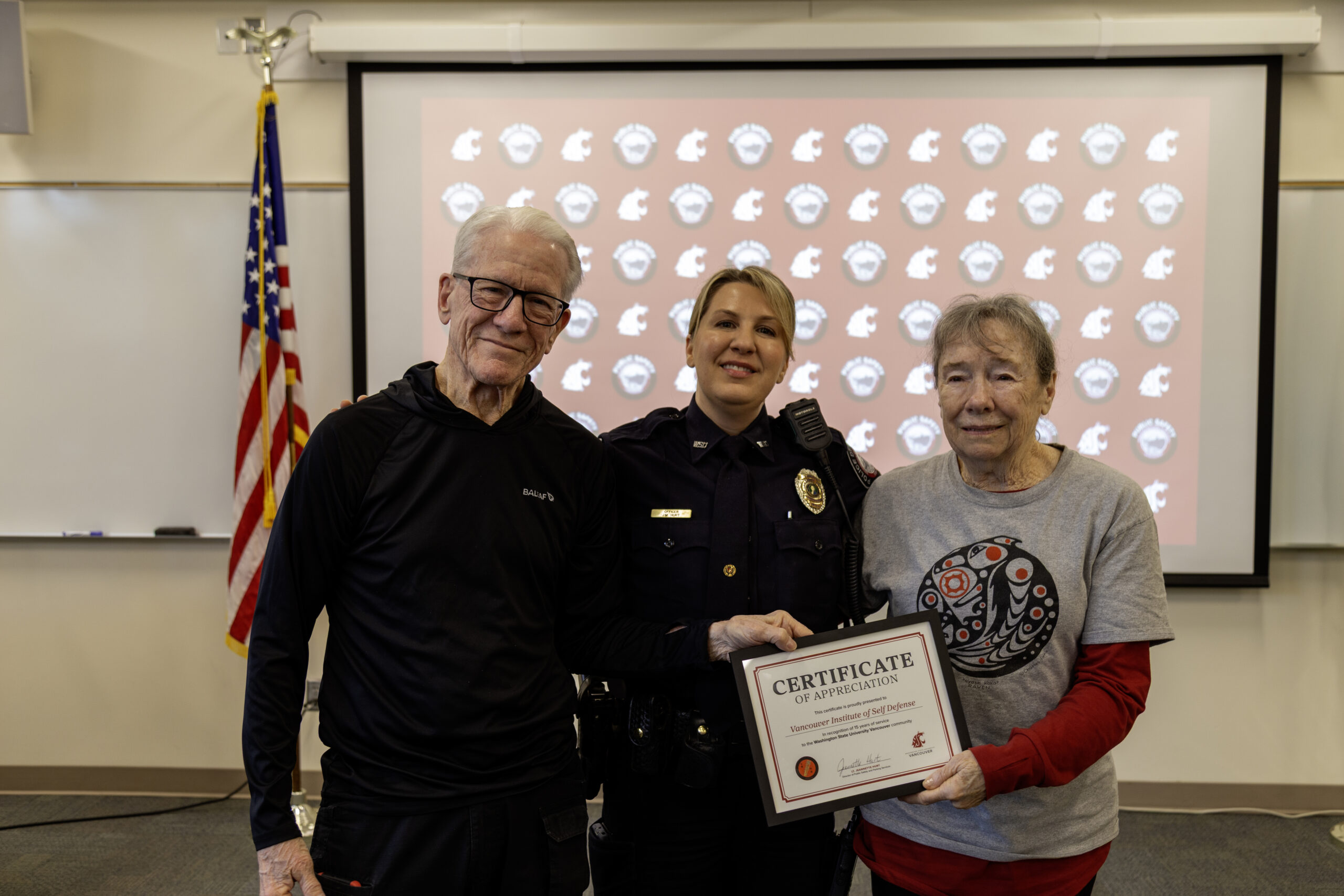
Self-Defense Classes
WSU Vancouver Public Safety and S&A Fees sponsor free self-defense classes for students, faculty, staff, and their guests.
- Registration: Sign up is required as class sizes are limited. Register by calling 360-546-9001 or emailing wsuvcops@wsu.edu.
- Schedules: Check this page regularly for updated class listings and session availability.
Emergency closure
WSU Vancouver remains operational during most conditions, closing only when extreme circumstances jeopardize public health, property, or safety. In the event of an emergency or inclement weather, the Chancellor or a designated official determines the status of campus operations.
Campus Operating Decisions
When an emergency occurs, the university will implement one of the following protocols:
- Normal Operations: Classes and business functions proceed as scheduled. No formal notification is issued when the campus remains open.
- Delayed Opening: Campus opening is postponed for one or more hours.
- Class Cancellation: Classes are canceled, but university personnel report to work if conditions allow.
- Campus Closure: All campus operations cease. Only essential personnel report to work as required by university policy.
Decisions regarding morning delays or closures are typically made prior to 6 a.m. If the campus status changes during the day, Public Safety notifies local media and updates digital platforms immediately.
Employee Expectations and Leave
Staff members are encouraged to prioritize personal safety when making commuting decisions. If you are unable to report to work during inclement weather, please notify your supervisor as soon as possible.
- Human Resource Resources: Review HRS Inclement Weather resources for guidance on telework and leave.
- Frequently Asked Questions: Consult the Inclement Weather FAQ for details on making up work hours.
Real-Time Alerts and Emergency Status
Stay informed by monitoring official university communication channels and local news outlets.
- VanCoug Alerts: Check the latest WSU Vancouver alerts and weather status.
- FlashAlert Newswire: Access the WSU Vancouver Flash News Network page.
- Local Media: Monitor major metropolitan television and radio stations or The Oregonian’s school closures listing.
- Safety Policies: Read the Adverse weather and natural hazard statement.
WSU Vancouver is a commuter campus, with faculty and students arriving from diverse regional micro-climates. Conditions in one region may significantly differ from conditions in another region. In the event that an adverse weather event (e.g., snow or ice) or natural hazard that poses a safety risk occurs, course instructors can use their discretion to decide whether they would like to offer students an alternative learning option that does not require travel to campus. Faculty and students should take personal safety into account when deciding whether they can travel safely to and from campus, taking local conditions into account. Faculty will not be penalized for working remotely to provide students with alternative learning options and students should not be penalized if they are not able to attend class in person.
The faculty member is responsible for choosing the best mechanism for alternative learning, if WSU Vancouver is open and the instructor decides to cancel the face-to-face meeting and substitute an alternative learning activity. A repository of alternative learning options is available on the WSU Vancouver Knowledgebase website or you may contact Information Technology for help. Faculty are encouraged to use universal design when possible, to make online content accessible.
Faculty are expected to notify all enrolled students by email or through Canvas, along with letting their Academic Director and office support staff know the status of their course, within a reasonable time after the determination has been made to open or close campus. In the case of a course taught by AMS over multiple campuses, AMS should be notified, if possible.
If an instructor holds class during a weather event or natural hazard, but a student does not attend due to adverse conditions, the instructor should not penalize the student. Allowances to course attendance policy and scheduled assignments, including exams and quizzes, should be made by the instructor. Faculty delivering a course via AMS to a campus that closes for inclement weather should make similar allowances for students enrolled at that campus. Students who attempt to gain advantage through abuse of this policy (e.g., by providing an instructor with false information) may be referred to the Office of Student Standards and Accountability for disciplinary action.
Syllabus statement: In the event that an adverse weather event (e.g., snow or ice) or natural hazard that poses a safety risk occurs, you should take personal safety into account when deciding whether you can travel safely to and from campus, taking local conditions into account. If campus remains open and your instructor decides to cancel the face-to-face meeting and substitute an alternative learning activity, you will be notified by your instructor via email or through Canvas within a reasonable time after the decision to open or close campus has been made. Instructions regarding any alternative learning options or assignments will be communicated in a timely manner. If travel to campus is not possible due to adverse regional conditions, allowances to course attendance policy and scheduled assignments, including exams and quizzes, will be made. Students who attempt to gain advantage through abuse of this policy (e.g., by providing an instructor with false information) may be referred to the Office of Student Conduct for disciplinary action. If a student encounters an issue with a faculty member, the student should first talk with the faculty member. If the issue cannot be resolved, the student should follow the reporting violations of policies outlined on the Center for Community Standards website.