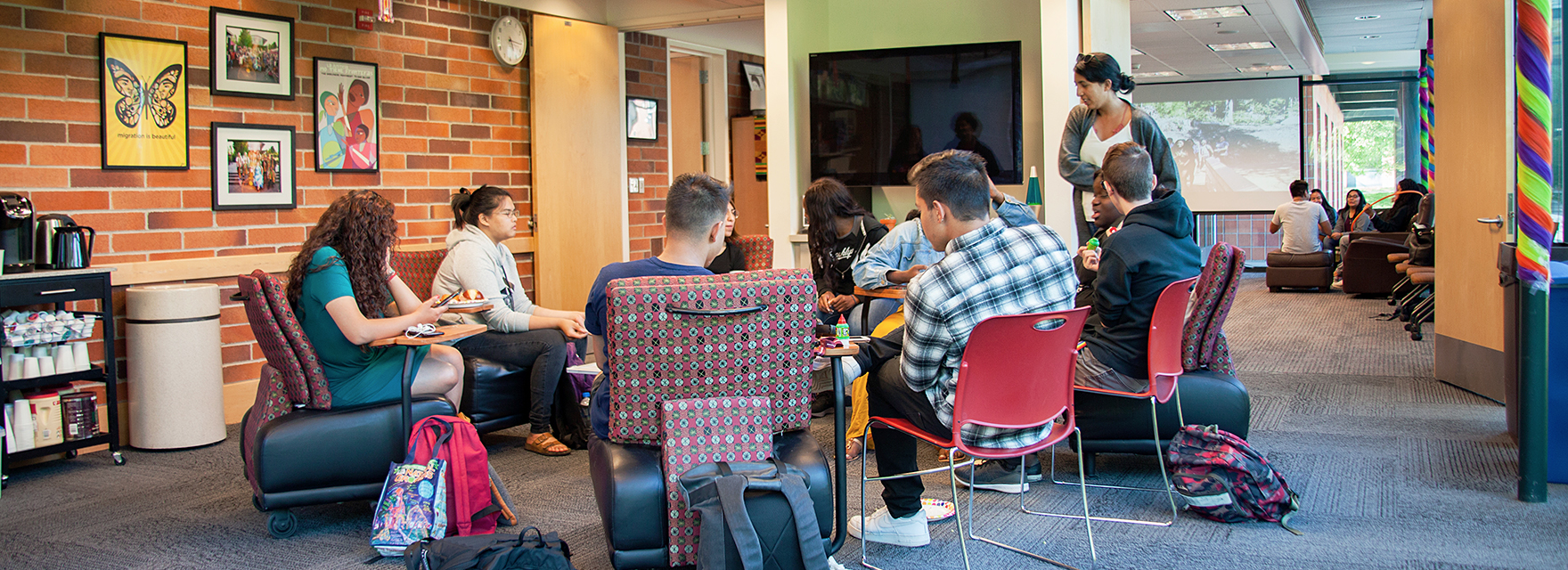
Students and faculty gathering outdoors around picnic tables for a social discussion on campus
WSU Vancouver

Center for Intercultural Learning and Affirmation

Empowering Your Identity and Community Connection

The Center for Intercultural Learning and Affirmation at WSU Vancouver provides a welcoming environment where students explore identity, foster meaningful connections, and participate in programs that celebrate diverse cultures. Whether you seek peer support, leadership development, or a sense of belonging, CILA serves as a hub for student organizations and events designed to enrich your collegiate experience.

As a vital resource for the WSU Vancouver community, the center offers inclusive spaces to be yourself while building the skills necessary to thrive in a global society. Through cultural celebrations, student-led conferences, and interactive workshops, you can expand your perspective and engage with a network of dedicated VanCougs committed to intercultural growth and excellence.

Questions?

Phone: 360-546-9182
Location: CILA is located in the Firstenburg Student Commons, Room 104.

CILA Schedule

  • Monday8:00am – 5:00pm
  • Tuesday8:00am – 5:00pm
  • Wednesday8:00am – 5:00pm
  • Thursday8:00am – 5:00pm
  • Friday8:00am – 5:00pm
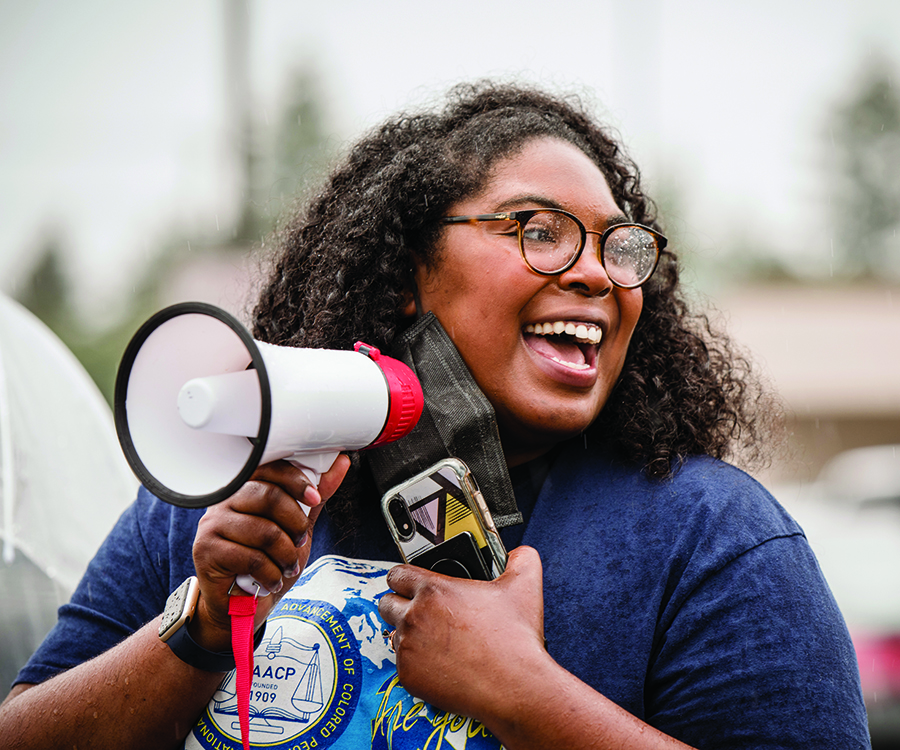
A cheerful WSU Vancouver student leader shouting enthusiastically into a megaphone at an outdoor campus event

Stay connected after graduation

WSU has several alumni groups that celebrate shared cultural and identity-based experiences. These groups provide opportunities for mentorship, community-building and connection after graduation.

Community resources in Southwest Washington and Portland

These organizations offer cultural connection and community programs in the region. While many focus on specific communities, all students are welcome to explore and engage with these resources.

Meet the CILA team

Adam Bates

Adam Bates

Campus Director of Student Life and Intercultural Learning
Email Addressadam.bates@wsu.edu
LocationFirstenburg Student Commons (VFSC) 123
Mandipa Masike

Mandipa Masike

Center for Intercultural Learning & Affirmations Advisor
LocationFirstenburg Student Commons (VFSC) 129

Marginalized community history

The Center for Intercultural Learning and Affirmation provides resources for students who are historically underserved by colleges and universities—students whose histories have been marginalized through traditional/dominant historical narratives.

With this in mind, the CILA seeks to provide resources for teachers and students to engage the histories of marginalized communities. These resources are a work in progress and will develop as we work with the community to provide our institution and other educators with the tools to engage history through a more critical lens.

NEA: Black History Month Lessons

K – 12, student resource, teacher resource
The NEA has created a set of thoroughly written and standards aligned lessons that can be used to teach students, K – 12, about black history. There are multiple lessons at all grade levels on such topics as famous inventors, jazz, art and culture. Multiple links to resources are provided with each lesson. External links are provided for many other on-line resources and curricula.

Smithsonian Black History Resources

K – 12, student resource, teacher resource
The Smithsonian Education Division has created a set of lessons for grades K – 12 that focus on various aspects of black history. Included in each lesson is a set of resources and background information on the topics. The lessons are to be downloaded and are narrow in grade specificity. On this page is also a link to a virtual history tour. Lessons are tied to content related standards (such as the National Council for Teachers of English). Topics range from specific lessons on people such as Langston Hughes, to lessons on music, culture, visual arts and black aviators. Each lesson topic has grade-range level lessons that go along with it.

Anti-Defamation League Black History Month Curriculum and Resources

K – 12, student resource, teacher resource
The Anti-Defamation League has created a set of lessons on a variety of topics from black history to specific lessons on the black experience. Also linked here is a list of ideas for teaching black history. Lessons are provided for grades K – 12 and are linked to Common Core Standards. Lessons include resources to use, some of which are links to online materials. Lessons range from those on anti-bias, to history, to issues such as the school-to-prison pipeline and microaggressions.

PBS Black History Month Teaching Resources

K – 12, student resource, teacher resource (*Limited K – 5)
PBS has put together a set of teaching resources and lessons on a variety of specific topics related to the black experience and black history. Many of the lessons are geared towards middle and high school levels, but there are some lessons for lower grade levels that also include materials for students who may not be at grade level or have special learning needs. Lesson topics range from a lesson on Muhammad Ali, an exploration of “Stop and Frisk” laws, to a math lesson about the March on Washington. Lessons are lined up with Common Core Standards and include resources for teachers and students.

Teaching Tolerance: 45 Days of Black History

Teacher resource
Teaching Tolerance has many resources for teaching about black history. Watch this webinar that will prepare educators to engage all students in recognizing and understanding how black Americans have moved history forward. This webinar includes practices and strategies for celebrating the contribution of African Americans. In addition to this webinar, you can search this website for numerous units and lessons related to this topic.

Mission Statement

CILA supports you in exploring who you are, connecting with others, and growing through learning and leadership. CILA works with students from a wide range of cultural, social and educational backgrounds to build a strong sense of community on campus.

Through workshops, events and student-led programs, CILA encourages conversations about identity, culture and lived experience. These opportunities help you build confidence, expand your perspective and develop skills that support your success.

  • Hosting events and workshops that focus on identity, culture and real-life experience
  • Offering a welcoming space to meet, reflect and connect
  • Supporting student leaders who plan and lead educational programs
  • Partnering with campus groups, local schools and community organizations

Faculty and staff are encouraged to recommend CILA programs as part of the student learning experience. To explore how CILA events might connect with your course or department goals, contact the CILA director.

Learning outcomes

By participating in CILA programs, you will gain insight into yourself and others. Whether attending a single workshop or becoming more involved, you will grow as a learner, leader and community member.

When you who engage with CILA, you will be able to:

  • Talk more confidently about your own background and experiences
  • Listen across differences and ask thoughtful, respectful questions
  • Notice when perspectives are missing and consider how to address that