Bachelor of Science
Earth and Environmental Science
10-30
Average hours per week students spend researching in the field
20-50
Average class size
1:14
Faculty-to-student ratio
What will you do with an earth and environmental science degree?
You’ll explore how ecosystems function, how climate and environmental systems are changing, and how science can inform solutions. Coursework emphasizes scientific reasoning, ethical decision-making, and communication—so you’re prepared to address complex environmental issues in a global context.
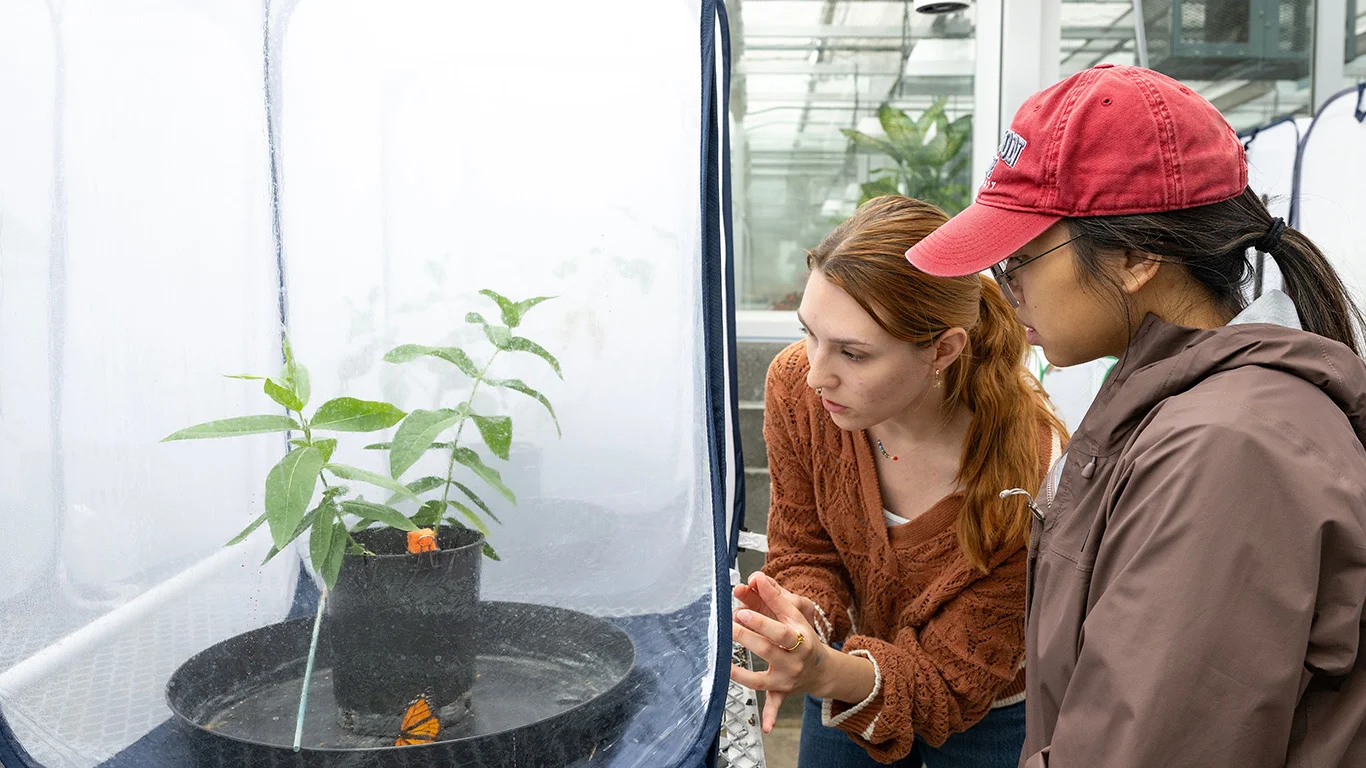
- Study real ecosystems up close by collecting data in the field, running experiments, and using science to understand how land, water, climate, and living systems interact.
- Explore today’s biggest environmental challenges—such as climate change, wildfires, and water quality—by asking questions, analyzing evidence, and considering how people and nature affect each other.
- Share what you discover by turning scientific findings into clear explanations, reports, and presentations for both scientific and community audiences.
Life as an earth and environmental science student at WSU Vancouver
As an EES student, you’ll be part of a close-knit academic community focused on curiosity, collaboration, and impact. Faculty are deeply engaged in teaching and mentorship, and students are encouraged to explore their interests through research, fieldwork, and community-based learning.
Conduct undergraduate research
Take advantage of WSU’s R1 research environment while benefiting from a small-campus experience. Many students participate in faculty research labs or independent projects alongside graduate students.
Gain professional experience in the PNW
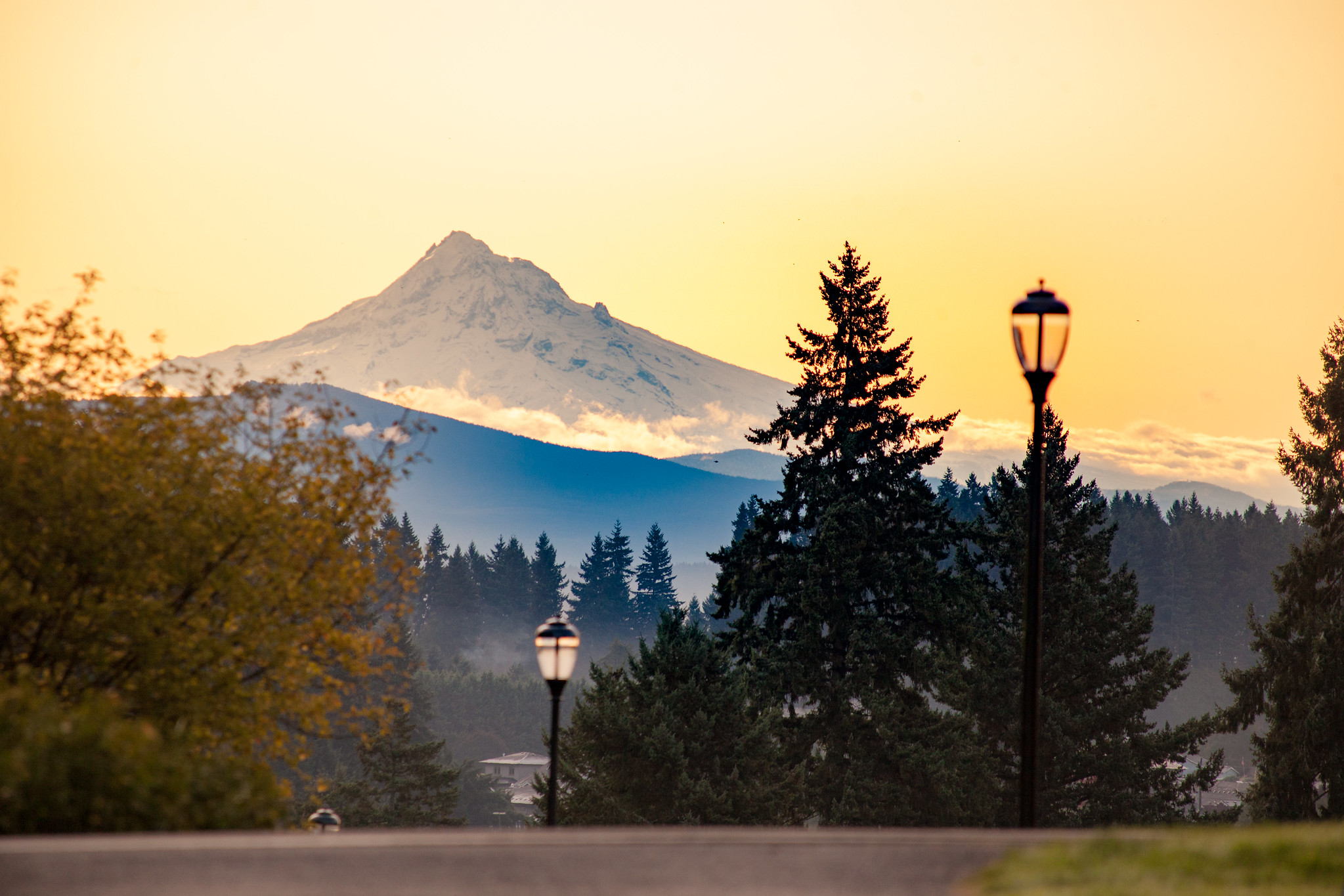
Located in the Vancouver–Portland metro area, the program offers access to internships with federal, state, and local agencies, nonprofits, and community organizations.
R1
Research university experience
351
Acres of campus and surrounding landscape for learning and research
#
Careers with an earth and environmental science degree
Graduates of the EES program pursue impactful careers across environmental, scientific, and public sectors, including:
- Environmental or climate scientist
- Environmental consultant
- Natural resource manager
- Urgan, regional, or land-use planner
- Environmental policy or advocacy professional
- Park ranger or conservationist